まだ OpenClaw をインストールしていませんか?
パソコンへの影響が心配?ClawTank なら60秒でクラウドデプロイ、ファイルへのリスクゼロ。
Gartnerはマルチエージェントシステムへの問い合わせが1,445%急増したと報告しています。AIエージェントフレームワーク市場は2030年までに78億ドルから520億ドルに成長すると予測されています。誰もがAIエージェントを構築したいと考えていますが、どのフレームワークを使うべきでしょうか?
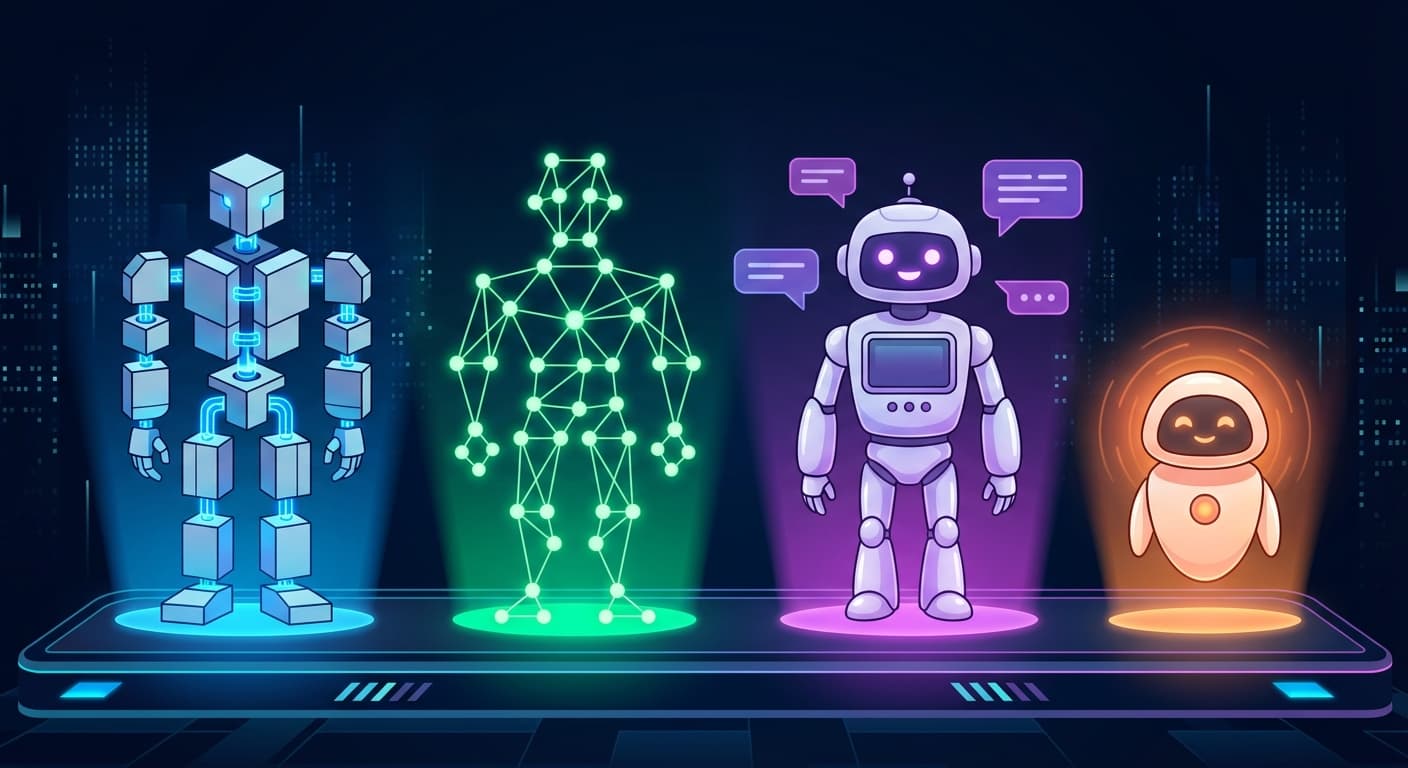
2026年で最も人気のある4つのオプションを正直に比較します。
概要
| フレームワーク |
タイプ |
最適な用途 |
言語 |
難易度 |
| CrewAI |
マルチエージェントオーケストレーション |
チームベースのAIワークフロー |
Python |
中 |
| LangGraph |
ステートフルエージェントグラフ |
複雑な分岐ワークフロー |
Python/JS |
高 |
| AutoGen |
マルチエージェント対話 |
研究・複雑な推論 |
Python |
中 |
| OpenClaw |
パーソナルAIエージェント |
日常のアシスタント・自動化 |
TypeScript |
低 |
CrewAI
概要
CrewAIは、複数のAIエージェントが「クルー」として協力し合うオーケストレーションフレームワークです。各エージェントには役割、目標、バックストーリーがあり、チームのようにタスクを協力して実行します。
強み
- 直感的なメンタルモデル ─ 役割を持つチームメンバーとしてのエージェント
- 組み込みツール ─ Web検索、ファイルI/O、コード実行
- CrewAI Studio ─ ノンコーダー向けビジュアルビルダー
- エンタープライズ機能 ─ SSO、監査ログを備えたCrewAI Enterprise
- 成長するコミュニティ ─ 最も急成長しているAIフレームワークの1つ
制限事項
- Pythonのみ ─ JavaScript/TypeScript SDKなし
- オーケストレーション特化 ─ 単体でチャットできるエージェントではない
- コーディングが必要 ─ Studioがあっても複雑なクルーにはPythonが必要
- メッセージング統合なし ─ Telegram/Slackにネイティブ対応していない
- 永続メモリなし ─ 実行ごとにステートがリセット
最適な用途
複数の専門エージェントが協力する必要がある自動化ワークフロー ─ コンテンツパイプライン、リサーチチーム、データ分析クルーなどを構築するチーム向け。
LangGraph
概要
LangGraph(LangChain製)は、ステートフルでマルチステップのAIエージェントワークフローを有向グラフとして構築するフレームワークです。最も柔軟ですが、最も複雑でもあります。
強み
- 最大の柔軟性 ─ あらゆるワークフロートポロジーを構築可能
- ステートフル実行 ─ ステップ間でステートを維持
- ヒューマンインザループ ─ 人間の承認のための組み込みチェックポイント
- LangSmith統合 ─ デバッグとモニタリング
- 本番環境対応 ─ エンタープライズチームで使用実績あり
制限事項
- 急な学習曲線 ─ グラフベースの考え方は直感的ではない
- 冗長 ─ 単純なタスクでもかなりのボイラープレートが必要
- LangChain依存 ─ LangChainエコシステムに縛られる
- エンドユーザーインターフェースなし ─ インターフェースは自分で構築
- 開発者限定 ─ 高度なプログラミングスキルが必要
最適な用途
実行フロー、分岐ロジック、ステート管理を正確に制御する必要がある、複雑で本番グレードのエージェントワークフローを構築する開発者向け。
AutoGen
概要
AutoGen(Microsoft製)は、マルチエージェント対話を構築するフレームワークです。エージェント同士が会話して問題を解決します ─ 専門家パネルが議論するようなイメージです。
強み
- 対話型エージェント ─ 自然なマルチエージェント対話
- コード実行 ─ エージェントがコードを書いて実行可能
- 柔軟なトポロジー ─ グループチャット、シーケンシャル、ネストされた会話
- Microsoftの支援 ─ 強力な企業サポートと開発
- 研究指向 ─ 複雑な推論タスクに優れている
制限事項
- 複雑なセットアップ ─ 設定が圧倒的になることがある
- トークン消費が大きい ─ マルチエージェント対話は多くのトークンを消費
- コンシューマーインターフェースなし ─ 開発者向けに構築され、エンドユーザー向けではない
- メッセージング統合なし ─ Telegram/Slackに接続不可
- 単純なタスクにはオーバーキル ─ 単純な質問に複数エージェントが議論するのはリソースの無駄
最適な用途
複雑な問題解決のためのマルチエージェントシステムを構築する研究チームや開発者向け ─ コード生成、分析、研究統合など。
OpenClaw
概要
OpenClaw はオープンソースのパーソナルAIエージェントで、メッセージアプリで24時間365日稼働します。エージェントを構築するためのフレームワークではなく、すぐに使えるエージェントです。
強み
- すぐに使える ─ 1分以内にデプロイ、コーディング不要
- メッセージングネイティブ ─ Telegram、Slack、Discord、WhatsAppに対応
- 永続メモリ ─ 数週間から数ヶ月にわたるすべてを記憶
- 任意のモデル ─ OpenAI、Claude、DeepSeek、Ollama経由のローカルモデル
- MCP対応 ─ Model Context Protocol経由で任意のツールに接続
- プロアクティブ ─ 依頼なしでデイリーブリーフィング、リマインダー、アラートを送信
- セルフホスト ─ データは自分のサーバーに保持
- オープンソース ─ 完全なコード透明性
制限事項
- 単一エージェント ─ マルチエージェントオーケストレーションフレームワークではない
- 個人規模 ─ 個人および小規模チーム向けに設計
- ホスティングが必要 ─ サーバーまたはマネージドホスティング(ClawTank)が必要
最適な用途
24時間365日実際に稼働し、コンテキストを記憶し、タスクを自動化し、日常のメッセージアプリに常駐するパーソナルAIアシスタントを求める個人や小規模チーム向け。
詳細比較
使いやすさ
| フレームワーク |
セットアップ時間 |
コーディング要否 |
非開発者対応 |
| OpenClaw |
1分 |
不要 |
はい |
| CrewAI |
30〜60分 |
Python基礎 |
Studio:部分的 |
| AutoGen |
1〜2時間 |
Python |
いいえ |
| LangGraph |
2〜4時間 |
Python/JS(上級) |
いいえ |
統合とデプロイ
| フレームワーク |
メッセージアプリ |
セルフホスト |
クラウドオプション |
MCP対応 |
| OpenClaw |
Telegram, Slack, Discord, WhatsApp |
はい |
ClawTank |
完全対応 |
| CrewAI |
なし(APIのみ) |
はい |
CrewAI Enterprise |
限定的 |
| AutoGen |
なし(APIのみ) |
はい |
Azure |
なし |
| LangGraph |
なし(自分で構築) |
はい |
LangSmith Cloud |
LangChain経由 |
メモリとステート
| フレームワーク |
永続メモリ |
セッション間 |
長期コンテキスト |
| OpenClaw |
あり ─ 数週間/数ヶ月 |
はい |
あり(デイリーログ、設定) |
| CrewAI |
なし ─ 実行ごと |
なし |
なし |
| AutoGen |
限定的 |
限定的 |
なし |
| LangGraph |
チェックポイント |
あり(設定が必要) |
手動実装 |
ランニングコスト
| フレームワーク |
ホスティング |
APIコスト |
月額合計 |
| OpenClaw |
$5-8(ClawTank) |
$1-20(モデルAPI) |
$6-28 |
| CrewAI |
自前インフラ |
高い(マルチエージェント) |
$20-100以上 |
| AutoGen |
自前インフラ |
非常に高い(対話) |
$30-200以上 |
| LangGraph |
自前インフラ |
やや高い |
$15-100以上 |
マルチエージェントフレームワークはエージェント同士が会話するため、トークン消費が大幅に増えます。OpenClaw のシングルエージェントアプローチは圧倒的に安価です。
どれをいつ使うべきか
OpenClaw を使うべき場合:
- 開発フレームワークではなく、パーソナルAIアシスタントが欲しい
- メッセージアプリでの24時間365日の可用性が必要
- ユースケースで永続メモリが重要
- 最もコストが低く、セットアップが簡単なものが欲しい
- プライバシーとセルフホスティングが優先事項
CrewAIを使うべき場合:
- 複数の専門エージェントの協力が必要
- 自動化ワークフロー(コンテンツ、リサーチ、分析)を構築している
- Pythonスキルがあり、ロールベースのエージェント設計を望む
- エンタープライズ機能(SSO、監査ログ)が必要
LangGraphを使うべき場合:
- エージェントワークフローロジックの最大限の制御が必要
- ユースケースに複雑な分岐とステート管理が必要
- すでにLangChainエコシステムを利用している
- 本番グレードのエンタープライズアプリケーションを構築している
AutoGenを使うべき場合:
- 問題がマルチエージェントの議論/ディスカッションの恩恵を受ける
- 多様なAIの視点を必要とする研究を行っている
- コード生成と実行がコア要件
- Microsoft/Azureインフラを持っている
組み合わせは可能?
はい。それぞれ異なる問題を解決します:
- OpenClaw を日常のパーソナルエージェントとして(メッセージング、メモリ、自動化)
- CrewAI/LangGraph を特定の複雑なワークフロー用に(OpenClaw がトリガーまたはスケジュール)
- AutoGen を多角的な分析を要する研究タスク用に
OpenClaw はMCPサーバー経由で外部ワークフローをトリガーでき、ユーザー対面のレイヤーとして機能しつつ、専門フレームワークが複雑なバックエンドタスクを処理します。
結論
複雑なマルチエージェントシステムを構築する開発者なら → LangGraph または CrewAI。
すぐに使えるパーソナルAIエージェントが欲しいなら → OpenClaw。
ClawTank で1分以内に OpenClaw をデプロイ。フレームワークの知識は不要です。あなた専用のAIエージェントが24時間365日、Telegramで稼働します。
OpenClaw をデプロイしませんか?
Docker・SSH・DevOps 不要。1分以内でセットアップ。
無料トライアルを始める